Reading FC’s AI Summit Offers a Model for Clubs With Smaller Budgets
Reading FC’s AI summit shows how a dedicated AI lead can connect recruitment, retail and everyday operations at a club with a smaller budget.

Hosting PSG, Ajax, Crystal Palace and Como, the League One club is showing how a dedicated AI function can connect recruitment with everyday operations.
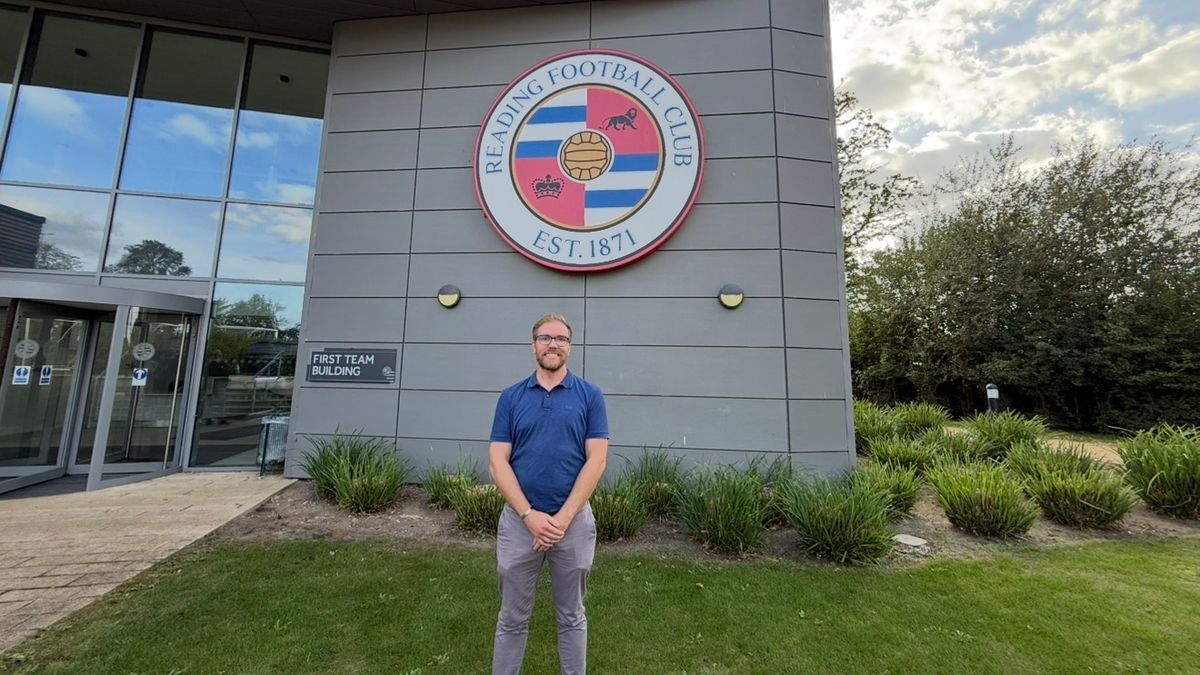
A club’s standing in the league table does not determine how much it can contribute to a conversation about technology. Reading FC brought that idea into focus with an AI summit at its Bearwood Park training complex on September 25, welcoming clubs including Paris Saint-Germain, Ajax, Crystal Palace and Como.
According to BBC Sport, the gathering came roughly a year after Reading established an AI department under owner Rob Couhig. The club’s Stuart Fenton, described by the BBC as the first Head of AI in English football, presented the event as an exchange of experience with other clubs.
Reading’s main application remains recruitment, with reported uses extending into tactical work, retail and turf maintenance. Fenton’s account emphasizes helping staff handle information and work more effectively. The report describes activity and ambition rather than quantified commercial or sporting results.
“We're not starstruck by these teams. The exciting thing is they're coming to us - we're not going to them.” — Stuart Fenton, Head of AI, Reading FC
For sports executives working with smaller budgets, the interesting part is the organizational choice. A dedicated AI lead can give staff a person to approach with a problem, help select useful experiments and connect lessons between departments. That role can make adoption more deliberate than a collection of unrelated subscriptions and individual trials.
Recruitment is a sensible starting point because it involves large amounts of information and expensive decisions. Tools that help staff organize player data can broaden the material available to scouts. Their practical value depends on whether the information is accurate, relevant to the club’s needs and presented in a form the recruitment team can act on.
The groundskeeping example is revealing for a different reason. It shows why an AI program needs contact with the whole organization. Employees who understand a daily task may identify useful applications that would never emerge from a boardroom discussion of innovation. The AI function can then help assess the idea, while the people responsible for the work judge whether it improves the task.
A club considering Reading’s approach does not necessarily need a large new department. It does need clear ownership, time for staff to test useful applications and a way to decide which experiments deserve further investment. A small set of documented projects can be more informative than broad claims of transformation.
For example, a recruitment pilot might measure time spent preparing a player shortlist and the usefulness of the resulting information to scouts. A retail project could track the time required to prepare product content or analyze sales patterns. Those are possible evaluation methods, rather than results Reading has reported. Each ties the technology to a task and an accountable employee.
The summit creates another resource: access to peers. Clubs can exchange lessons about implementation, staff adoption and failed experiments without sharing sensitive scouting judgments or commercial strategy. Hosting that exchange can help a smaller organization build relationships with people facing similar problems at a different scale.
Reading’s experience offers a useful operating model for mid-market teams: appoint someone to coordinate the work, start with a meaningful problem and make it easy for staff across the club to contribute ideas. Attention from larger clubs is a sign that the approach has prompted interest. Its lasting value will be determined by the improvements Reading’s people can demonstrate in their own work.
 Ben Miller - BBC Sport

 Jonathan Richards
 Dan George & Lewis Coombes