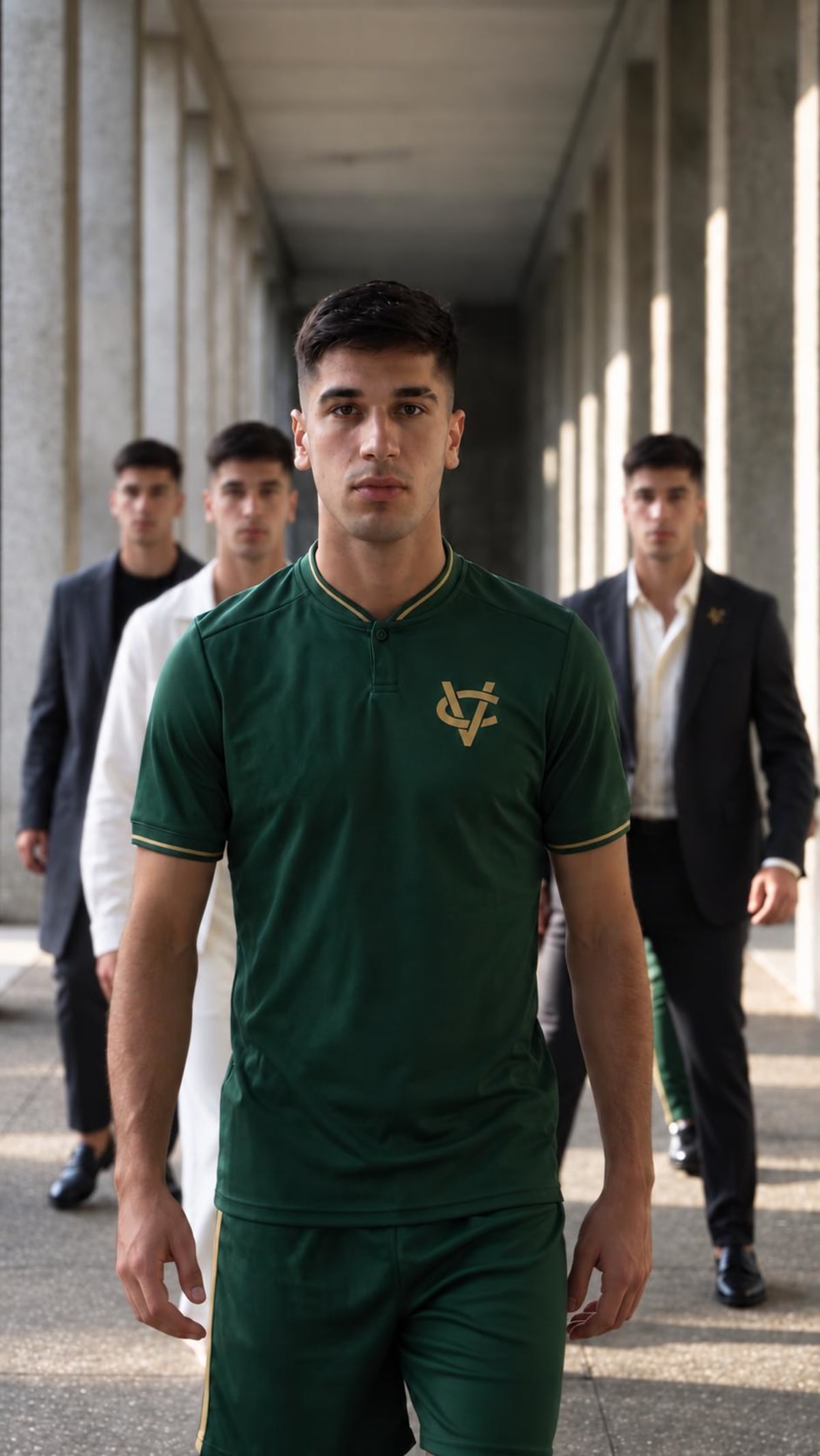
Cristian Volpato Partners With Callandor on AI Likeness Rights
Cristian Volpato will use Callandor’s registry to document AI permissions for his likeness, voice and data, with licensed digital twins among potential uses.


The agreement records permissions for AI-generated likeness, voice and performance data, with digital-twin campaigns among the proposed uses.
Soccer player Cristian Volpato has partnered with Callandor to document and license AI uses of his digital identity through the company’s AI Rights Registry. The Italian-Australian player is using the registry to record consent, permissions, licensing terms and authorized uses.
Callandor calls the covered attributes an athlete’s “Digital DNA”: likeness, voice, biometric profiles and performance data. The company says the framework enables athlete-approved AI experiences for brands and fans while retaining creative control.
“Cristian represents the future of football, not just in his performance on the pitch, but in how modern athletes manage and scale their brands. Registration is the front door. Behind it is a new revenue engine: official digital twins, licensed campaigns, and AI fan experiences that pay athletes every time their identity works. The need is urgent, and athletes like Cristian are leading the charge.” – Michael Fisk, Co-Founder & CEO of Callandor
"We are entering an era where an athlete's likeness can be replicated instantly and at global scale. Protection is foundational, but the real breakthrough is what control unlocks: official digital twins that can speak to every fan in their own language, and AI experiences created within rules set by the athlete. We want AI to scale an athlete's identity without taking control away from them." — Guglielmo Cardente, Co-Founder and CMO, Callandor
The parties released an AI-generated launch video demonstrating a digital representation of Volpato. Callandor identified multilingual advertising campaigns and licensed digital twins as potential commercial applications.
The announcement did not disclose financial terms, name a paying brand campaign, or report licensing revenue.
In separate October coverage, Sports Law Expert noted that a private registry documents authorization but does not itself establish or expand an athlete’s legal rights, or necessarily prevent unauthorized synthetic content. That distinction separates the recording of permissions from enforcement against third parties.
 Holt Hackney

 AOL