Gillette Stadium’s AI Waste Sorter Shows the Value of Back-of-House Automation
Gillette Stadium’s AI waste-sorting project offers venue leaders a practical case study in automation, material recovery and sustainability reporting.


rStream reports approximately 99% sorting accuracy and 479,000 recyclable items recovered across seven events—an operational AI case study for venue leaders.
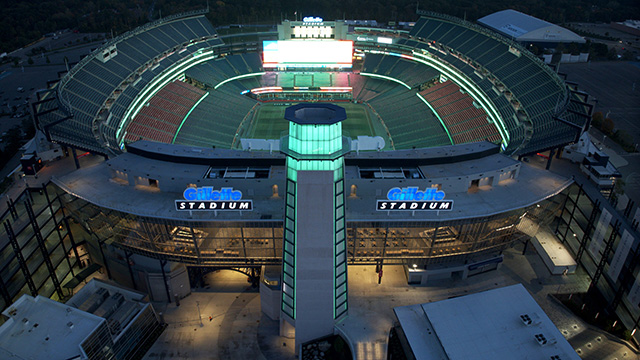
The work that happens after spectators leave can be as demanding as the event itself. At Gillette Stadium, rStream is applying AI-powered waste sorting to that challenge, with the company reporting approximately 99% sorting accuracy and 479,000 individual recyclable objects separated across seven full-stadium events.
The results, highlighted in September coverage by The Cool Down, come from a partnership announced in July. They offer a concrete example of AI working in a venue’s physical operations, beyond the more visible applications in content, ticketing and fan service.
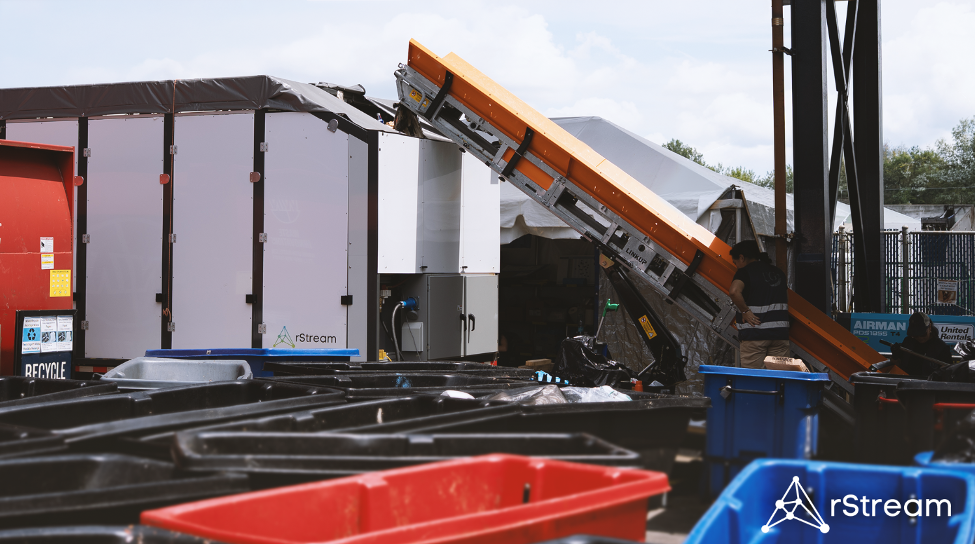
According to rStream’s announcement, AI cameras identify materials moving along conveyors, and sorting equipment separates recycling, compostable materials and trash. The company says processing takes place on-site within 24 hours of each event. An operator monitors output and quality.
“Delivering a world-class event includes what happens operationally even after our guests leave.” — John Flaherty, Senior Vice President of Operations, Kraft Sports + Entertainment
The accuracy claim describes sorting performance, not the percentage of all stadium waste recycled. Likewise, the item count does not establish tonnage diverted, a reduction in emissions or a financial return. Those measures would require additional information about the waste stream, downstream processing and operating costs.
Waste Dive reports that the partners began working together in 2024, following an earlier stadium audit. The trailer-based system was positioned near the loading dock and compactors, where materials were already gathered. That detail matters for other operators: a useful AI deployment must fit the movement of materials and the space available, not just perform well in a demonstration.
For a venue evaluating similar technology, the first step is to understand the existing operation. How much material arrives after different event types? Where does contamination occur? How long does sorting take, and what does the hauler accept? Those answers help determine whether automation addresses the real bottleneck.
The business case should then account for equipment and service costs, staffing, maintenance, downtime and hauling arrangements. A pilot should measure recoverable material by weight, output contamination and labor hours alongside sorting accuracy. Event-to-event variation matters, too: a concert and a football game may generate different packaging, food waste and collection patterns.
There is also a potential information benefit. rStream says its system records each event’s waste stream. Such records could help an operations team identify recurring problems, assess changes in concessions packaging and provide evidence for sustainability reporting. They support a reporting process; they do not independently establish regulatory compliance or certification.
Gillette already has a broader materials-management program, including food-waste processing, composting and collection through WIN Waste Innovations. Its sustainability page also describes a WIN-sponsored tailgate recycling pilot. That existing relationship illustrates how operational programs can provide a foundation for sponsor engagement.
Gillette’s case points to an AI opportunity that is easy to overlook: improving a repetitive, physically demanding process while giving managers better information. For venue executives, the next question is whether those operational gains can be demonstrated consistently and economically in their own building.
 rStream