FOX Graphic Backlash Highlights the Stakes for AI Broadcast Creative
Criticism of FOX’s Bills–Chargers graphic highlights how perceived AI quality can affect fan trust—and what sports creative teams can learn.


Negative reactions to a “Brady’s Bunch” animation during Bills–Chargers offer a practical lesson for sports content teams: audience judgment starts with the finished work.
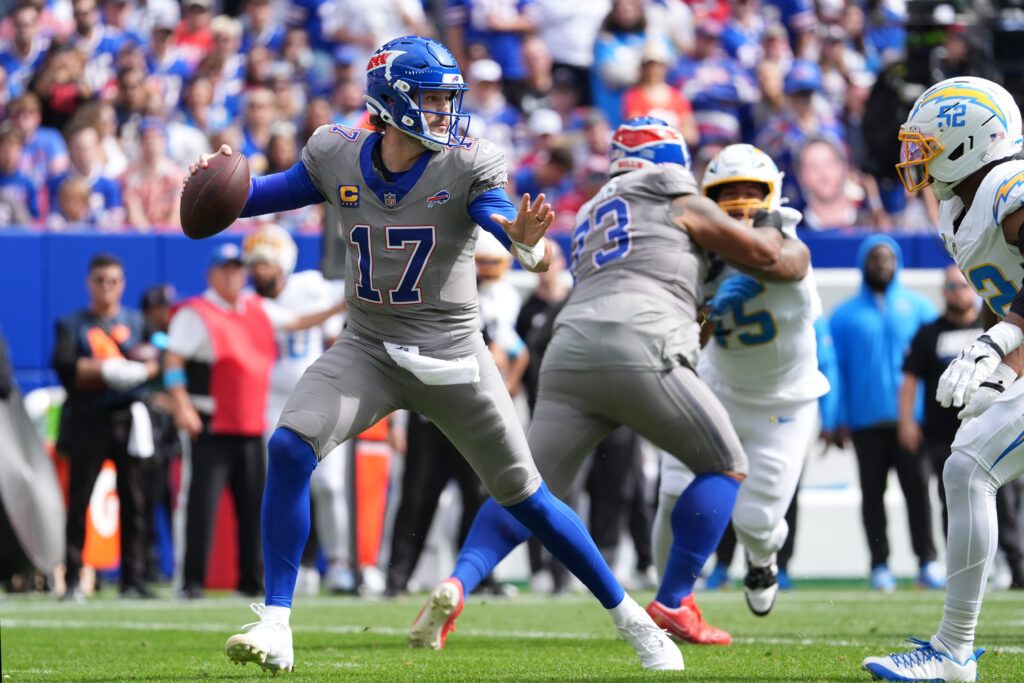
A broadcast graphic intended to add personality to a game can quickly become the story itself. During FOX Sports’ September 27 coverage of the Buffalo Bills and Los Angeles Chargers, some viewers criticized a “Brady’s Bunch” animation that they believed had been generated with AI.
Pro Football Network, in a report republished by Yahoo Sports, collected several negative social posts about the graphic. The coverage documents criticism from individual viewers; it does not establish how representative those reactions were of the full broadcast audience. It also does not include confirmation from FOX of the production method or tools used.
“That ‘Brady’s Bunch’ graphic in the Bills-Chargers game was the most AI slop edit I’ve ever seen smh.” — Brandon Carney, Sports Content Creator
For sports business leaders, the useful lesson is that perceived production quality can shape how fans interpret a brand’s investment in their experience. If an animation looks awkward or generic, a viewer may read it as evidence that the broadcaster took a shortcut. The organization then has to contend with that impression even if the creative team’s intent was playful experimentation.
This makes audience-facing AI creative a different management challenge from an internal drafting tool. A broadcast asset arrives with the authority and visual identity of the network. Fans see the approved result, without the context of how many versions were developed or how much human work went into it.
The relevant creative standard should therefore remain grounded in the audience and the moment. Does the graphic clarify the story? Does its humor work? Do recognizable players and team details look right? Does it feel at home within the rest of the broadcast package? A short animation has little time to earn attention, and visual distractions can overwhelm its intended message.
For teams and rights holders, a practical review process can put those questions into the existing production workflow. A producer should be accountable for the final asset, with a creative reviewer checking visual consistency and someone familiar with the sport checking names, identities and context. Reviewing the work at its intended size and playback speed matters, since a still image may conceal problems that appear in motion.
A small audience preview can also help. Showing an experimental asset to a few people outside the production team may reveal whether a joke lands or whether the visuals create confusion. That feedback is particularly useful when the team has spent enough time with an effect that it no longer notices its weaknesses.
The reaction after distribution deserves the same care. A handful of sharp posts should prompt a review of the work, while decisions about future use benefit from broader evidence: repeated complaints, audience feedback and whether the asset distracted from the intended story. Social criticism is a signal to investigate, rather than a complete measure of fan opinion.
The Bills–Chargers episode provides a limited but useful case for sports organizations experimenting with generative media. The documented response concerns one graphic and several viewers. Its wider relevance is the need for clear creative ownership and an audience standard that holds regardless of the tools involved. Faster production creates value when the finished work strengthens the experience fans came to watch.
 Priyanshu Choudhary
 Priyanshu Choudhary